
Our approach to the land
Together, our farms demonstrate how thoughtful design and stewardship can nourish people today, while restoring ecosystems for the future.
Rutland, Massachusetts
Our Non-Profit
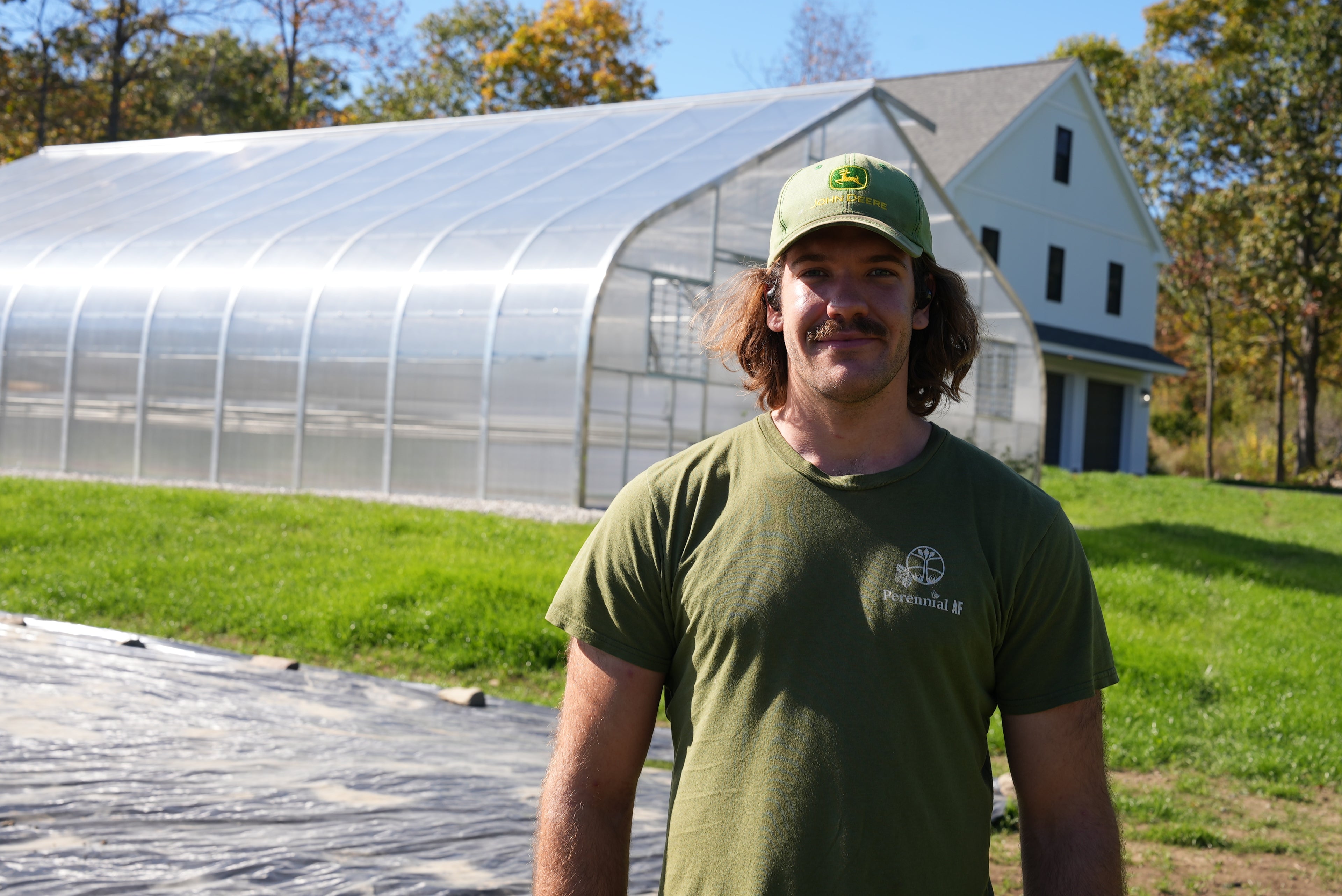
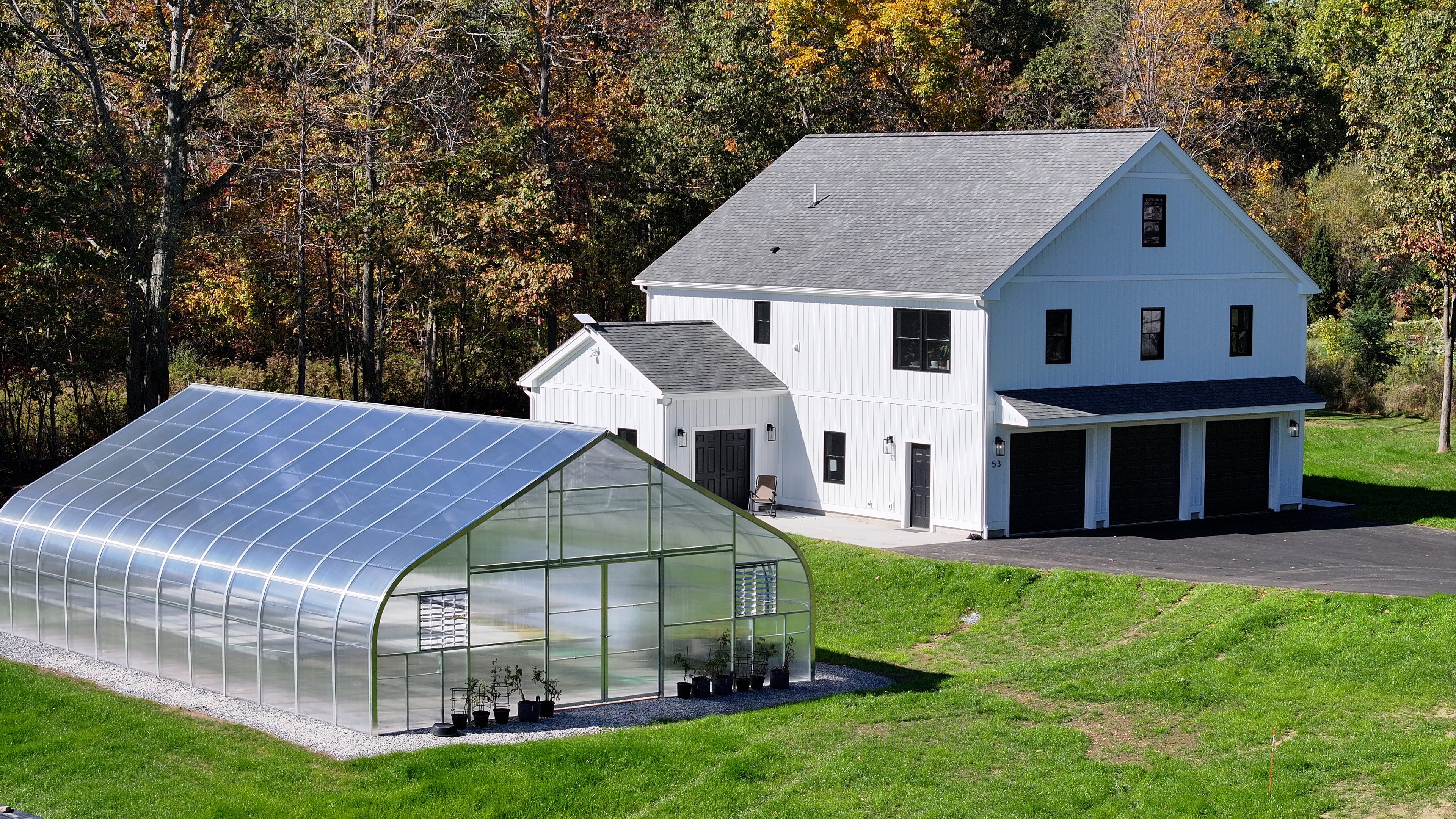
Located in the geographical center of Massachusetts is our non-profit The Agro-Eco Project. This small, no-till, 3-acre diversified farm grows food by using exclusively agroecological practices. 100% of the produce grown is donated to local food pantries and other hunger relief organizations in Central Massachusetts. In addition to fighting food insecurity, we strive to create learning and educational experiences centered on exploring the link between growing nutritious vegetables and creating delicious meals. Learn more about our efforts to fight hunger here:
Rutland, Massachusetts
Our First Chestnut Orchard
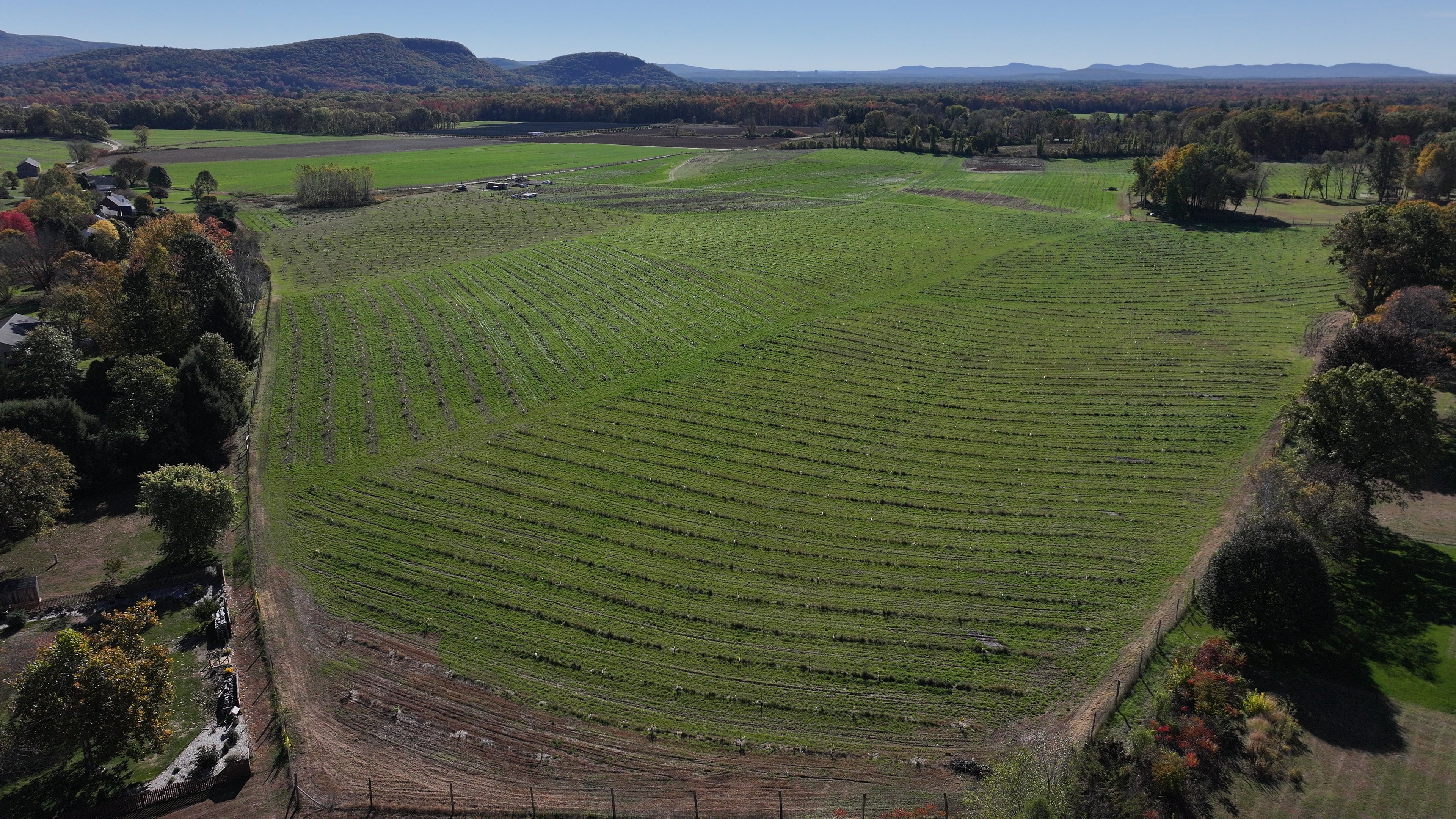
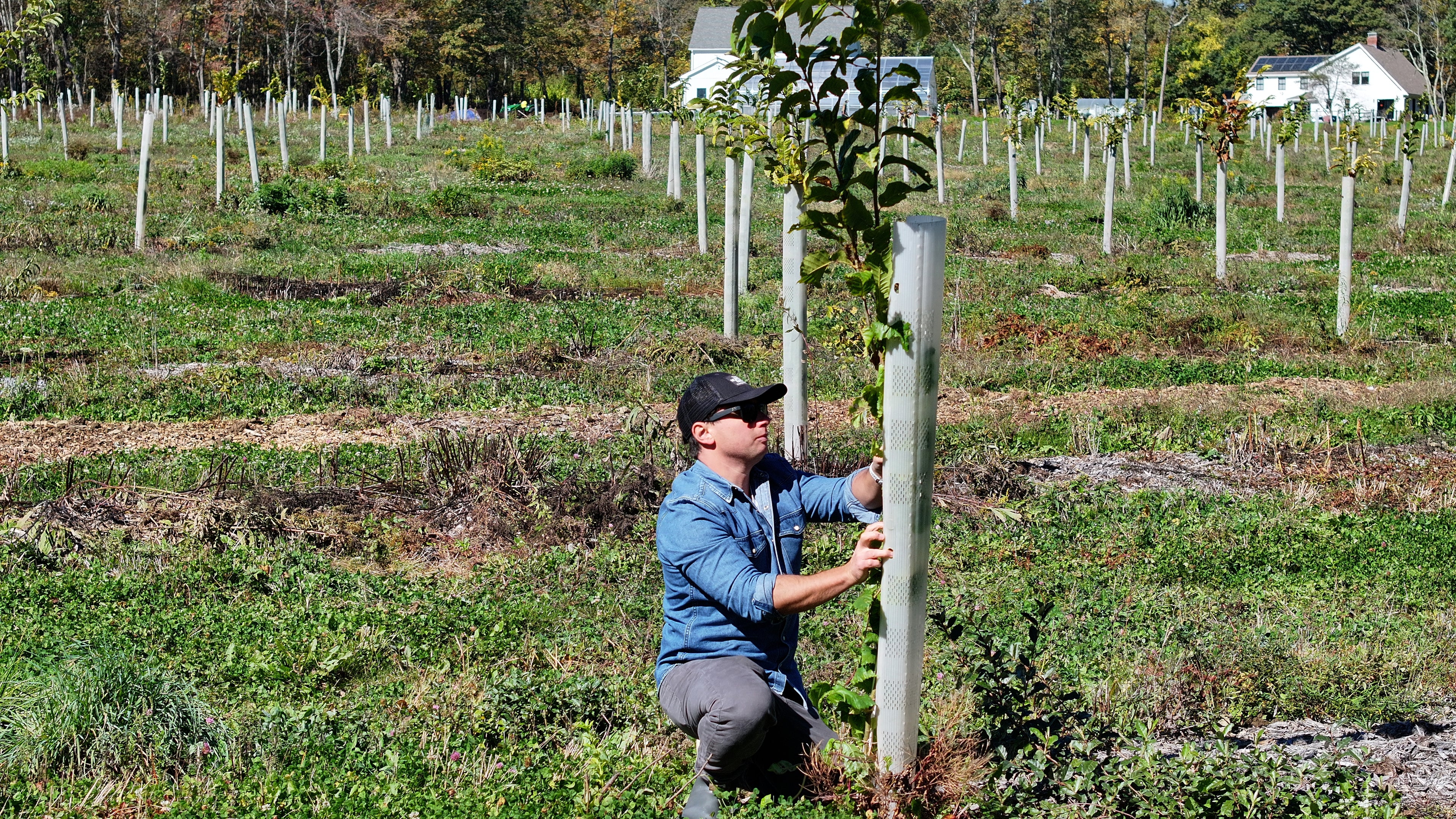
Our non-profit organization actually grows vegetables within our larger chestnut orchard, in what is effectively a productive and highly diversified agroforestry system. On this bigger 10-acre plot we have planted hundreds of hybrid chestnuts in a “on-contour” pattern to maximise water retention and reduce erosion. Our chestnut trees act as anchors to a diversified and productive landscape designed to grow food, regenerate soils, absorb water, and create a healthy natural habitat for animals and people alike.